




# Transforming Industries: The Impact of AI Technology on Business and Everyday Life
Artificial Intelligence (AI) has emerged as a revolutionary force, reshaping industries and influencing everyday life in profound ways. As organizations integrate AI into their operations, the implications extend beyond mere efficiency gains; they create new business models, enhance customer experiences, and redefine the nature of work itself. This article explores the multifaceted impact of AI technology on various sectors and its transformative role in daily life.
## The Business Landscape: Efficiency and Innovation
The integration of AI technology into the business landscape has led to unprecedented levels of efficiency and innovation. Companies are increasingly leveraging machine learning algorithms and data analytics to streamline operations, optimize supply chains, and enhance decision-making processes. For instance, predictive analytics allows businesses to anticipate market trends and consumer behavior, thereby enabling them to tailor their offerings more effectively.
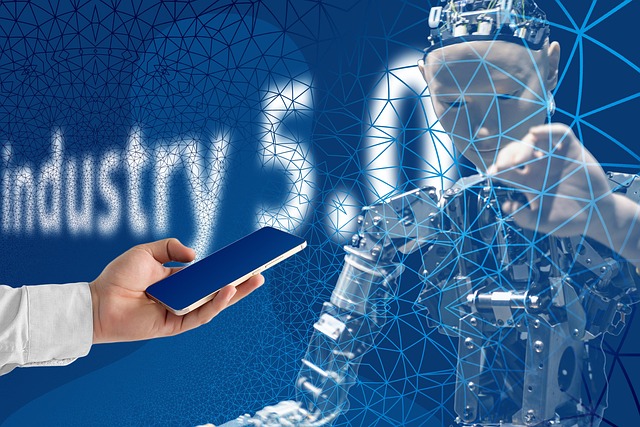
Moreover, automation powered by AI is revolutionizing routine tasks. In manufacturing, robots equipped with AI capabilities are capable of performing complex tasks with precision, reducing production time and minimizing errors. This shift not only lowers operational costs but also frees up human workers to focus on more strategic initiatives, fostering a culture of innovation within organizations.
Additionally, AI has paved the way for the creation of entirely new business models. Startups and established companies alike are harnessing AI to develop products and services that were previously unimaginable. For example, the rise of AI-driven platforms in sectors like finance and healthcare has enabled personalized services that cater to individual needs. As a result, businesses are not only improving their bottom lines but also enhancing customer satisfaction through tailored experiences.
## The Customer Experience: Personalization and Engagement
In the realm of customer experience, AI technology is a game changer. Organizations are utilizing AI to analyze vast amounts of data, allowing them to understand customer preferences and behaviors in unprecedented detail. This data-driven approach enables businesses to create highly personalized experiences that resonate with consumers on a deeper level.
Chatbots and virtual assistants are prime examples of AI enhancing customer engagement. By providing instant responses to inquiries and facilitating seamless interactions, these tools improve customer satisfaction while reducing the burden on human support teams. In retail, AI algorithms analyze purchasing patterns to recommend products that align with individual tastes, thereby increasing sales and fostering brand loyalty.
Furthermore, the integration of AI in customer service extends beyond traditional channels. Social media platforms are increasingly employing AI to monitor customer sentiment and respond to feedback in real time. This proactive approach not only enhances brand reputation but also allows companies to address potential issues before they escalate.
In the healthcare sector, AI’s impact on customer experience is equally significant. Telemedicine platforms utilize AI to assess patient symptoms and recommend appropriate care, making healthcare more accessible and efficient. The ability to deliver personalized treatment plans based on AI-driven analysis is transforming the patient experience, leading to better health outcomes.
## Everyday Life: Convenience and Connectivity
Beyond the business realm, AI technology is permeating everyday life, enhancing convenience and connectivity for individuals. Smart home devices, powered by AI, are becoming increasingly prevalent, allowing users to control their environments with ease. From smart thermostats that learn user preferences to voice-activated assistants that manage daily tasks, AI is making homes more intuitive and responsive.
Transportation is another area where AI is making a significant impact. The advent of autonomous vehicles promises to revolutionize how people commute, potentially reducing traffic congestion and improving road safety. AI algorithms analyze real-time traffic data to optimize routes, making travel more efficient. Ride-sharing services also leverage AI to match drivers with passengers, enhancing the overall user experience.
Education is not immune to the transformative effects of AI either. Adaptive learning platforms utilize AI to assess student performance and tailor educational content to individual needs. This personalized approach fosters a more engaging learning environment, allowing students to progress at their own pace. Moreover, AI-driven analytics provide educators with insights into student behavior, enabling them to identify areas for improvement and enhance teaching methods.
As AI technology continues to evolve, its influence on everyday life is expected to grow. From health monitoring wearables that track fitness levels to AI-driven personal finance apps that help users manage their budgets, the potential applications are vast. The convenience and connectivity offered by AI are not only enhancing individual lifestyles but also fostering a more interconnected society.
## Conclusion: Embracing the Future of AI
The impact of AI technology on business and everyday life is undeniable. As industries embrace AI-driven innovations, the potential for increased efficiency, enhanced customer experiences, and improved quality of life is immense. While challenges such as data privacy and ethical considerations remain, the benefits of AI are driving organizations and individuals alike to adapt to this new reality.
Looking ahead, the continued evolution of AI technology promises to reshape the landscape in ways we can only begin to imagine. By fostering a culture of innovation and embracing the opportunities presented by AI, businesses can position themselves for success in a rapidly changing world. Simultaneously, individuals can harness the power of AI to improve their daily lives, making the future of AI not just a technological advancement, but a transformative journey for society as a whole.