




# Exploring AI’s Role in Shaping Tomorrow: Innovations That Will Transform Our Future and Society
Artificial Intelligence (AI) stands at the forefront of technological innovation, promising to reshape various aspects of our lives and society. As we delve into the myriad ways AI is transforming our world, it becomes clear that its influence will only grow in the coming years. This article explores the innovations driven by AI, examining their implications for industries, healthcare, education, and beyond.
## Transforming Industries: Automation and Efficiency
The impact of AI on industries cannot be overstated. Manufacturing, logistics, and retail sectors are witnessing a revolution as automation takes center stage. Companies are increasingly adopting AI-driven systems to streamline operations, reduce costs, and enhance productivity. For instance, AI algorithms can analyze vast amounts of data to optimize supply chain management, predicting demand fluctuations and minimizing waste.
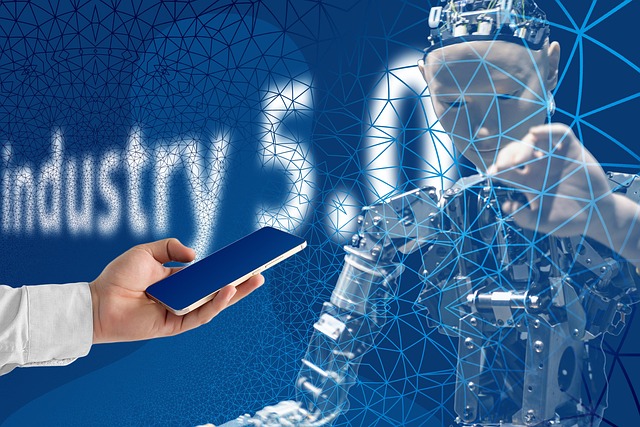
In the realm of manufacturing, the integration of AI technologies, such as robotics and machine learning, has led to the rise of smart factories. These facilities leverage AI to monitor equipment health, predict maintenance needs, and enhance production processes. As a result, manufacturers can achieve higher efficiency and reduce downtime, ultimately leading to increased profitability.
Moreover, the retail sector is embracing AI to enhance customer experiences. Personalized recommendations powered by machine learning algorithms allow retailers to tailor their offerings to individual preferences, fostering customer loyalty and driving sales. By analyzing consumer behavior and preferences, businesses can anticipate trends and respond proactively, creating a more agile and responsive market environment.
## Revolutionizing Healthcare: Precision and Accessibility
Healthcare is another domain where AI is making significant strides. The potential for AI to revolutionize diagnostics and treatment is immense. Machine learning algorithms can analyze medical images with remarkable accuracy, assisting radiologists in identifying anomalies that may go unnoticed by the human eye. This capability not only enhances the precision of diagnoses but also expedites the process, allowing for timely interventions.
Telemedicine has also gained traction, particularly in the wake of the COVID-19 pandemic. AI-powered chatbots and virtual assistants are now being employed to triage patients, providing preliminary assessments and directing them to appropriate care. This innovation has improved accessibility, especially for individuals in remote areas or those with mobility challenges.
Furthermore, AI is playing a pivotal role in drug discovery and development. Traditional methods of researching and developing new medications can take years and require substantial resources. With AI, researchers can analyze vast datasets to identify potential drug candidates more efficiently. This acceleration in the drug development process holds the promise of delivering life-saving treatments to patients faster than ever before.
## Enhancing Education: Personalized Learning Experiences
Education is undergoing a transformative shift as AI technologies are harnessed to create personalized learning experiences. Adaptive learning platforms utilize AI algorithms to assess students’ strengths and weaknesses, tailoring educational content to meet individual needs. This personalized approach not only enhances student engagement but also improves learning outcomes.
In addition to personalized learning, AI can assist educators in administrative tasks, allowing them to focus more on teaching. Automated grading systems can evaluate student assignments, providing immediate feedback and freeing up teachers’ time for more meaningful interactions with their students. By reducing the administrative burden, AI empowers educators to foster a more enriching learning environment.
Moreover, the integration of AI in education extends beyond the classroom. Virtual learning environments powered by AI can facilitate remote education, making quality learning accessible to students across the globe. This democratization of education has the potential to bridge gaps in access and equity, ensuring that all learners have the opportunity to succeed.
## Ethical Considerations: Navigating the Future Responsibly
As we explore the transformative potential of AI, it is crucial to address the ethical considerations that accompany these innovations. Concerns about data privacy, algorithmic bias, and job displacement are at the forefront of discussions surrounding AI adoption. Ensuring that AI systems are developed and deployed responsibly is paramount to building trust and fostering acceptance within society.
Data privacy is a significant concern, particularly as AI systems rely on vast amounts of personal information to function effectively. Striking a balance between leveraging data for innovation and safeguarding individuals’ privacy rights is essential. Organizations must prioritize transparency and accountability in their AI practices, implementing robust data protection measures to earn public trust.
Algorithmic bias poses another challenge, as AI systems can inadvertently perpetuate existing societal inequalities. Ensuring diversity in training datasets and implementing fairness audits can help mitigate bias in AI algorithms. By actively addressing these issues, developers can create more equitable AI systems that serve the interests of all individuals, regardless of their background.
Lastly, the potential for job displacement due to automation raises important questions about the future of work. While AI has the capacity to enhance productivity, it also necessitates a reevaluation of workforce dynamics. Upskilling and reskilling initiatives will be crucial in preparing workers for the changing job landscape, ensuring that individuals can adapt to new roles in an AI-driven economy.
## Conclusion: Embracing the Future with Caution and Optimism
As we stand on the cusp of an AI-driven future, the innovations shaping our world hold tremendous promise. From transforming industries to revolutionizing healthcare and enhancing education, AI is poised to redefine the way we live and work. However, it is essential to approach these advancements with a sense of responsibility and ethical consideration.
Navigating the complexities of AI requires a collaborative effort among technologists, policymakers, and society at large. By fostering a culture of innovation that prioritizes ethics and inclusivity, we can harness the full potential of AI while ensuring that its benefits are shared equitably. As we explore the role of AI in shaping tomorrow, embracing both caution and optimism will be key to realizing a future that reflects our highest aspirations.