





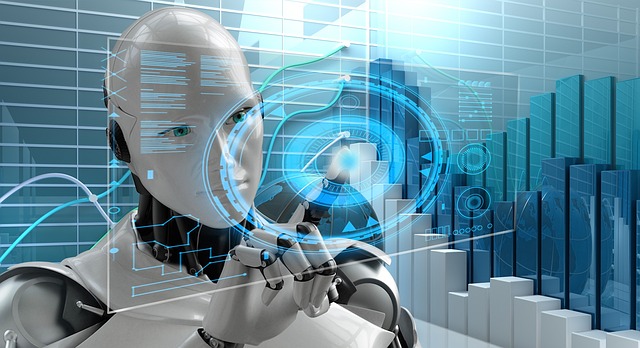
# AI Technology: Unlocking New Horizons in Automation and Efficiency for a Seamless Future
The rapid advancement of artificial intelligence (AI) technology has ushered in a new era of automation and efficiency across various sectors. As organizations strive to enhance productivity and streamline operations, AI emerges as a pivotal tool in transforming traditional workflows. This article delves into the multifaceted impact of AI on automation, exploring its applications, benefits, and the future landscape of work.
## The Rise of Automation through AI
In recent years, the integration of AI into automation processes has gained significant momentum. Industries ranging from manufacturing to healthcare are increasingly adopting AI-driven solutions to optimize their operations. For instance, machine learning algorithms can analyze vast amounts of data, enabling predictive maintenance in manufacturing facilities. This proactive approach minimizes downtime and enhances overall productivity.
Moreover, robotic process automation (RPA) has become a cornerstone of business efficiency. By automating repetitive tasks such as data entry and invoice processing, organizations can redirect human resources towards more strategic initiatives. This shift not only improves operational efficiency but also fosters a more engaged workforce, as employees can focus on higher-value tasks that require creativity and critical thinking.
AI-powered chatbots and virtual assistants have also revolutionized customer service. These intelligent systems can handle inquiries round the clock, providing instant responses and freeing up human agents for complex issues. By leveraging natural language processing (NLP), these AI tools understand and respond to customer queries with remarkable accuracy, enhancing the overall customer experience.
## Enhancing Efficiency Across Sectors
Efficiency is a critical factor in maintaining competitiveness in today’s fast-paced business environment. Through AI, companies can achieve unprecedented levels of efficiency that were previously unattainable. One notable example can be found in supply chain management. AI algorithms can analyze historical data and market trends to forecast demand accurately, enabling businesses to optimize inventory levels and reduce waste.
Furthermore, the healthcare sector stands to benefit immensely from AI technology. With the ability to process and analyze medical data at an extraordinary scale, AI can assist in diagnosing diseases and personalizing treatment plans. For instance, AI algorithms can analyze medical images with precision, identifying anomalies that may be missed by the human eye. This capability not only enhances diagnostic accuracy but also expedites the treatment process, ultimately saving lives.
Financial institutions are also leveraging AI to streamline operations and enhance decision-making. Algorithms that analyze market trends and consumer behavior can provide insights for investment strategies and risk management. By automating data analysis, financial analysts can focus on interpreting results and making informed decisions, thereby increasing the overall efficiency of the organization.
## The Future of Work: Collaboration between Humans and AI
As AI technology continues to evolve, the future of work will increasingly revolve around collaboration between humans and machines. Rather than viewing AI as a replacement for human labor, organizations are beginning to recognize its potential as a complementary tool. This shift in perspective is crucial for fostering a harmonious coexistence between human intelligence and artificial intelligence.
Training and upskilling the workforce will be paramount in this new landscape. Employees will need to adapt to working alongside AI systems, understanding how to leverage these technologies to enhance their productivity. Companies that invest in employee training programs will not only empower their workforce but also cultivate a culture of innovation and adaptability.
Moreover, ethical considerations surrounding AI deployment will play a significant role in shaping its future. Ensuring transparency, accountability, and fairness in AI algorithms is essential to building trust among users and stakeholders. Organizations must prioritize ethical AI practices to mitigate bias and ensure equitable outcomes, particularly in sectors such as hiring, lending, and law enforcement.
In conclusion, AI technology is unlocking new horizons in automation and efficiency, paving the way for a seamless future. As industries continue to embrace AI-driven solutions, the potential for increased productivity and improved customer experiences will be realized. By fostering collaboration between humans and AI, organizations can navigate the challenges of the modern workforce while harnessing the transformative power of technology. The journey towards a more automated and efficient future is just beginning, and the possibilities are limitless.