

# AI Art: Unveiling the New Frontiers of Visual Expression and the Debate Over Authenticity
The advent of artificial intelligence (AI) has ushered in a new era of creative possibilities, particularly in the realm of visual arts. Artists, technologists, and critics alike are grappling with what it means to create and appreciate art in this context. AI-generated art has not only expanded the boundaries of artistic expression but also ignited a contentious debate regarding authenticity, authorship, and the very definition of creativity.
## The Rise of AI in Artistic Creation
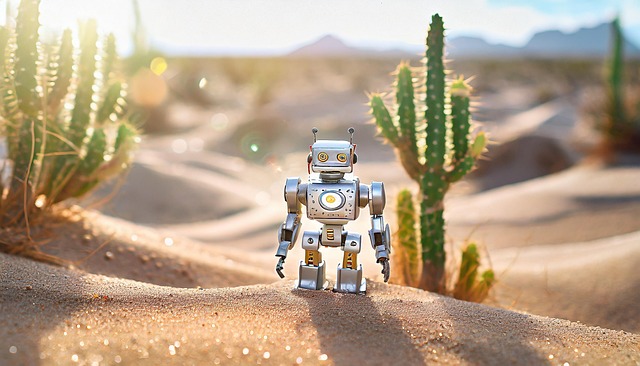
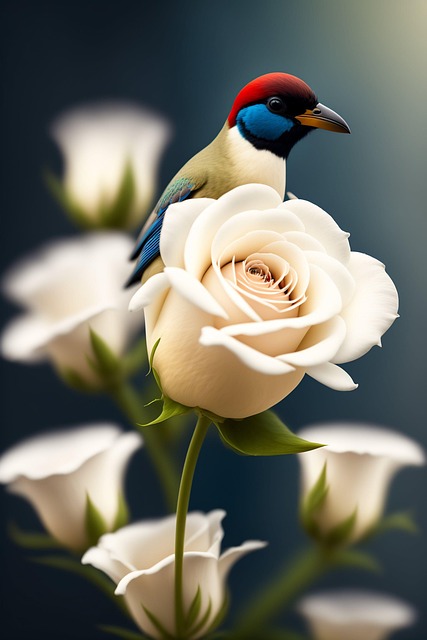
Over the past decade, advancements in machine learning and neural networks have revolutionized how art is produced. Tools such as OpenAI’s DALL-E, Midjourney, and Stable Diffusion enable users to generate intricate images from textual descriptions, pushing the limits of what can be conceived visually. This technological leap has democratized art creation, allowing anyone with access to these tools to produce visually stunning works without traditional artistic training.
In this new landscape, the role of the artist is evolving. Traditional methods of creation, which often involve years of practice and skill development, are being complemented—or even supplanted—by algorithms that can mimic styles, generate original compositions, and blend influences from various artistic movements. Consequently, the question arises: what does it mean to be an artist in a world where machines can create?
## The Debate Over Authenticity and Ownership
With the rise of AI-generated art, a significant debate has emerged surrounding authenticity and ownership. Critics argue that if a machine produces an artwork, it lacks the emotional depth and personal experience that typically characterize human-created art. This perspective raises fundamental questions about the essence of creativity. Can a piece generated by an algorithm truly be considered art, or is it merely a product of data processing without any intrinsic value?
Moreover, the issue of ownership complicates matters further. When an AI generates a piece of art, who holds the copyright? Is it the programmer who created the algorithm, the user who prompted the AI, or the AI itself? Current copyright laws struggle to accommodate these new realities, leading to uncertainty and potential legal disputes. As AI continues to evolve, so too must our understanding of intellectual property rights in the context of machine-generated works.
Artists are responding to this challenge in various ways. Some embrace AI as a collaborative tool, using it to augment their creative processes rather than replace them. For instance, renowned artists like Refik Anadol and Mario Klingemann have integrated AI into their practices, producing works that reflect a synergy between human intent and machine execution. This collaborative approach suggests a new model of artistic creation, one that acknowledges the contributions of both human and machine while challenging traditional notions of authorship.
## The Future of AI Art and Its Implications
Looking ahead, the future of AI art promises to be both exciting and complex. As technology continues to advance, we can expect even more sophisticated algorithms capable of generating art that challenges our perceptions of beauty, meaning, and intention. The integration of AI into the art world may lead to the emergence of entirely new genres and forms of expression, expanding the possibilities of what art can be.
Yet, this evolution is not without its risks. The proliferation of AI-generated art raises concerns about the potential for homogenization in artistic expression. If algorithms are trained on existing artworks, there is a danger that new creations may inadvertently replicate existing styles and ideas, stifling innovation and originality. The art community must remain vigilant in preserving the diversity and richness of human creativity while embracing technological advancements.
Additionally, the implications of AI art extend beyond the realm of aesthetics. The intersection of technology and art has the potential to reshape cultural narratives, challenge societal norms, and provoke critical discourse. As AI-generated works gain visibility in galleries and exhibitions, they invite audiences to question the nature of creativity and the role of technology in shaping our cultural landscape. This dialogue is essential for fostering a deeper understanding of both art and technology in contemporary society.
## Conclusion: Embracing a New Paradigm
In conclusion, AI art represents a fascinating confluence of technology and creativity, challenging our perceptions of authorship, authenticity, and artistic expression. As we navigate this new frontier, it is essential to engage in thoughtful discussions about the implications of AI in the art world. By embracing the potential of AI as a tool for collaboration rather than competition, artists and technologists can cultivate a rich and diverse artistic landscape that reflects the complexities of our evolving society.
Ultimately, the debate over AI-generated art will continue to evolve, prompting us to reconsider what it means to create and appreciate art in an age of machines. As we stand at the intersection of technology and creativity, the future of art is not just about the works produced but also about the conversations they inspire, the boundaries they challenge, and the new frontiers they unveil.