




# The Intersection of Technology and Art: How AI is Redefining Creative Expression and Aesthetics
The relationship between technology and art has always been a dynamic one, evolving with each significant technological advancement. In recent years, artificial intelligence (AI) has emerged as a transformative force, reshaping the landscape of creative expression and aesthetics. This article delves into how AI is revolutionizing the art world, enhancing the creative process, and challenging traditional notions of authorship and originality.
## The Rise of AI in the Creative Process
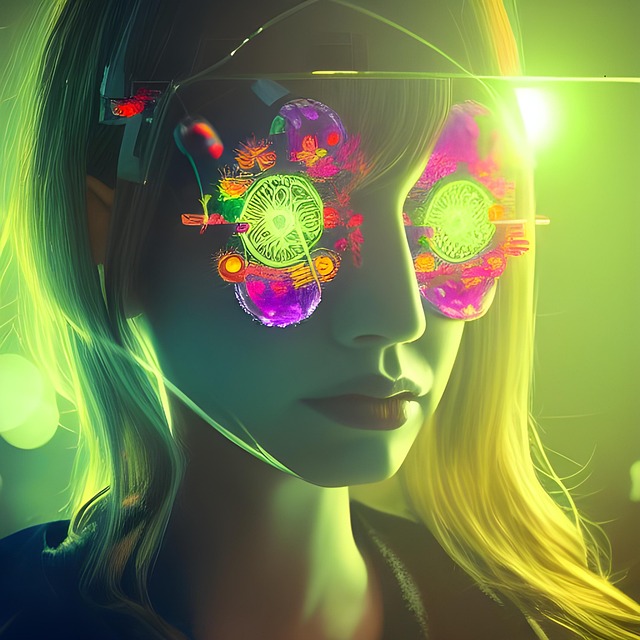
Artificial intelligence has made its mark across various domains, and the art world is no exception. Artists are increasingly integrating AI tools into their creative processes, allowing for new forms of expression that were previously unimaginable. By harnessing machine learning algorithms, artists can generate images, music, and even literature, pushing the boundaries of human creativity.
One notable example is the use of generative adversarial networks (GANs), which can produce stunning visual artworks by learning from vast datasets of existing art. These networks consist of two neural networks that work in tandem: one generates images while the other critiques them. This back-and-forth process results in the creation of artworks that often blend styles and techniques, offering a fresh perspective on traditional aesthetics. Artists like Refik Anadol and Mario Klingemann have already gained recognition for their innovative works that utilize AI, showcasing how technology can serve as a collaborative partner rather than a mere tool.
Moreover, AI can assist artists in overcoming creative blocks. Tools such as DeepArt and Runway ML enable creators to experiment with different styles and techniques, providing inspiration and facilitating the exploration of new ideas. As a result, artists find themselves liberated from conventional constraints, able to explore a broader spectrum of creativity. This shift encourages a more exploratory approach to art-making, where the process is as significant as the final product.
## Challenging Traditional Notions of Authorship
The integration of AI into art raises profound questions about authorship and originality. Traditionally, the artist has been viewed as the sole creator, the individual whose vision and skill bring a piece of art to life. However, when an AI system generates artwork, the lines between creator and creation become blurred. Who, then, is the true artist—the human who programmed the AI, the AI itself, or the collaborative process that ensued?
This dilemma has sparked debates within the art community and beyond. Some argue that AI-generated art lacks the emotional depth and intentionality that characterize human-created works. Critics contend that art is inherently tied to the human experience, and that AI, lacking consciousness and genuine emotion, cannot produce authentic art. In contrast, proponents of AI-generated art assert that it represents a new frontier in creative expression, challenging us to rethink our definitions of art and creativity.
As a case in point, the sale of the AI-generated artwork “Edmond de Belamy” at a Christie’s auction for $432,500 in 2018 marked a significant moment in the art world. Created by the Paris-based art collective Obvious, the portrait was generated using a GAN trained on a dataset of historical portraits. This sale not only underscored the commercial viability of AI-generated art but also raised questions about the role of the artist in the creative process. The debate continues as more AI-generated pieces enter galleries and auction houses, prompting a reevaluation of artistic value and the meaning of authorship.
## The Future of Art and Technology: A Collaborative Landscape
Looking ahead, the intersection of AI and art is poised to evolve further, fostering a collaborative landscape where human creativity and machine intelligence coexist. Artists are beginning to embrace AI as a co-creator, exploring the possibilities of working alongside algorithms to enhance their artistic vision. This symbiotic relationship allows for a more inclusive approach to creativity, where diverse perspectives can be synthesized to produce unique artistic expressions.
Furthermore, advancements in AI technology are likely to democratize the art-making process. As tools become more accessible, individuals without formal artistic training can experiment with AI to create their own works. This shift could lead to an explosion of creativity, as new voices and ideas emerge from diverse backgrounds. The potential for AI to serve as a bridge between technology and art opens up exciting avenues for collaboration across disciplines, inviting artists, technologists, and audiences to engage in a dialogue about the future of creative expression.
In addition to visual art, AI is making significant strides in other creative fields, such as music and literature. AI-generated music compositions have already gained traction, with platforms like AIVA and OpenAI’s MuseNet producing original pieces that mimic various genres and styles. Similarly, AI tools are being used to assist writers in generating ideas, structuring narratives, and even crafting poetry. The implications of these developments are vast, as they challenge our perceptions of creativity and the role of technology in shaping artistic expression.
## Conclusion: Embracing the New Aesthetic
As we navigate this new era of artistic exploration, it is essential to embrace the potential of AI as a catalyst for innovation. The intersection of technology and art offers unprecedented opportunities for creative expression, challenging us to rethink our understanding of aesthetics, authorship, and the very nature of art itself. While debates about the role of AI in the creative process will undoubtedly continue, one thing is clear: the future of art is not a battle between human and machine, but rather a collaborative journey that invites us to explore the uncharted territories of imagination.
In summary, AI is redefining creative expression and aesthetics in profound ways. By enhancing the artistic process, challenging traditional notions of authorship, and paving the way for a collaborative future, AI is not merely a tool but a transformative force that is reshaping the art world. As we move forward, the dialogue between technology and art will continue to evolve, inspiring new generations of artists and audiences alike to engage with the possibilities that lie at this fascinating intersection.