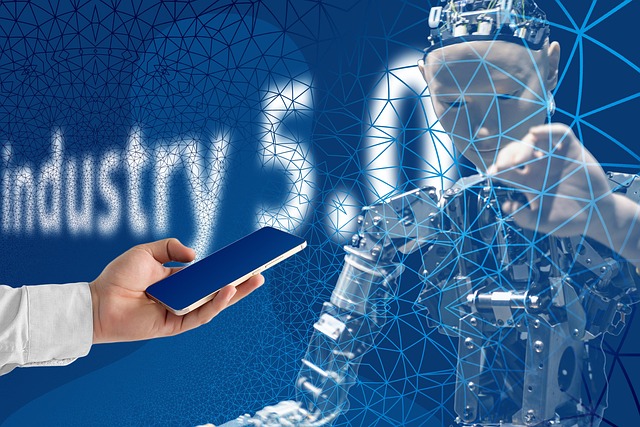





# The Transformative Role of AI Technology in Shaping a New Era of Innovation and Efficiency
Artificial Intelligence (AI) is no longer a concept reserved for science fiction; it has become a cornerstone of modern technological advancement. As businesses and organizations increasingly adopt AI technologies, the landscape of innovation and efficiency is undergoing a profound transformation. This article explores the multifaceted role of AI in driving innovation and enhancing operational efficiency across various sectors.
## Revolutionizing Industries with Intelligent Automation
To begin with, intelligent automation powered by AI is redefining how industries operate. Traditional workflows often involve repetitive tasks that require significant human intervention. However, AI algorithms can automate these processes, resulting in increased speed and reduced error rates. For instance, in manufacturing, AI-driven robots can perform assembly line tasks with precision, minimizing the risk of human error and optimizing production schedules. This shift not only enhances productivity but also allows human workers to focus on more complex, value-added tasks.
Moreover, the integration of AI in supply chain management exemplifies its transformative potential. Predictive analytics, a subset of AI, enables companies to forecast demand more accurately, thereby optimizing inventory levels and reducing waste. By analyzing historical data and current market trends, AI systems can suggest the most efficient routes for logistics, ensuring timely delivery and cost savings. Consequently, organizations that leverage AI in their supply chains can achieve a competitive edge in an increasingly fast-paced market.
## Enhancing Decision-Making Through Data-Driven Insights
In addition to automating tasks, AI plays a pivotal role in enhancing decision-making processes. The sheer volume of data generated today can overwhelm even the most seasoned professionals. AI technologies, particularly machine learning algorithms, can sift through vast datasets to identify patterns and trends that may not be immediately apparent. This capability empowers businesses to make informed decisions based on data-driven insights rather than intuition alone.
Consider the healthcare sector, where AI is revolutionizing diagnostics and treatment planning. Machine learning models can analyze medical images with remarkable accuracy, assisting radiologists in detecting anomalies that may go unnoticed. By providing clinicians with actionable insights, AI not only improves patient outcomes but also streamlines the decision-making process. As a result, healthcare providers can allocate resources more effectively, ensuring that patients receive timely and appropriate care.
Furthermore, financial institutions are increasingly relying on AI for risk assessment and fraud detection. By analyzing transaction patterns and customer behavior, AI systems can identify suspicious activities in real-time, mitigating potential losses. This proactive approach to risk management is essential in a landscape where cyber threats are becoming more sophisticated. Ultimately, the ability of AI to enhance decision-making through data-driven insights leads to more agile and resilient organizations.
## Fostering Innovation in Product Development
The impact of AI extends beyond operational efficiency and decision-making; it is also a catalyst for innovation in product development. By harnessing AI technologies, companies can accelerate the research and development (R&D) process, bringing new products to market faster than ever before. Natural language processing (NLP) and machine learning can analyze consumer feedback and market trends, providing valuable insights into what customers want and need.
For instance, in the software industry, AI can automate code generation and testing, significantly reducing the time developers spend on mundane tasks. This allows teams to focus on creative problem-solving and innovative features. Additionally, AI-driven tools can simulate user interactions, enabling developers to refine their products based on real-time feedback before launch. The result is a more agile development cycle that prioritizes user experience and satisfaction.
In the realm of consumer goods, AI is revolutionizing product design by enabling companies to create personalized offerings. By analyzing consumer data, businesses can identify preferences and tailor their products accordingly. This level of customization not only enhances customer satisfaction but also fosters brand loyalty. As organizations embrace AI in their R&D processes, they are better equipped to innovate and adapt to changing market demands.
## Conclusion: Embracing the Future of AI-Driven Innovation
In summary, the transformative role of AI technology in shaping a new era of innovation and efficiency cannot be overstated. Intelligent automation is revolutionizing industries by streamlining workflows and enhancing productivity. Simultaneously, AI enhances decision-making through data-driven insights, allowing organizations to navigate complex environments with confidence. Finally, the fostering of innovation in product development ensures that businesses remain competitive in a rapidly evolving market.
As we move forward, embracing AI will be crucial for organizations seeking to thrive in this new landscape. By investing in AI technologies and fostering a culture of innovation, businesses can unlock unprecedented opportunities for growth and efficiency. The future is undoubtedly AI-driven, and those who adapt will be well-positioned to lead the charge into a new era of technological advancement.