



# AI Art: Understanding Its Impact on Visual Expression and the Future of Artistic Endeavors
Over the last few years, artificial intelligence (AI) has made remarkable strides in various fields, including art. The emergence of AI-generated art has sparked discussions about creativity, authorship, and the very definition of art itself. As AI technologies continue to evolve, they are not only transforming the landscape of visual expression but also reshaping the future of artistic endeavors. This article delves into the implications of AI art, examining its impact on traditional artistic practices, the ethical considerations it raises, and its potential to redefine the role of the artist.
## The Transformation of Visual Expression
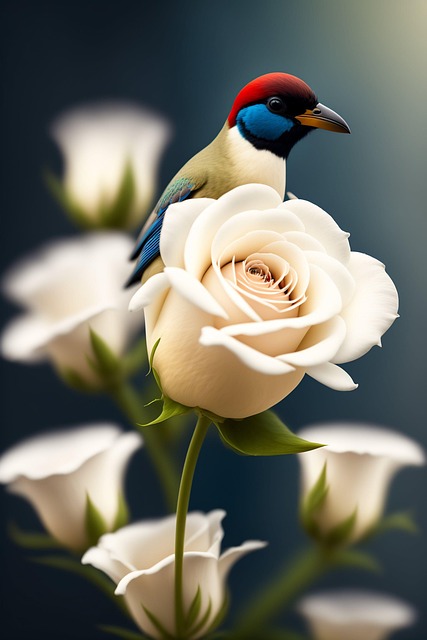
To begin with, AI art has introduced innovative tools that expand the boundaries of visual expression. Artists now have access to sophisticated algorithms capable of generating intricate images, styles, and concepts that were previously unimaginable. For instance, platforms like DALL-E and Midjourney allow users to input textual descriptions, which the AI then translates into stunning visual representations. This capability empowers artists to explore new creative realms, pushing the limits of their imagination.
Moreover, AI-generated art is not merely a tool for artists; it also serves as a collaborative partner. By analyzing vast datasets of existing artworks, AI can identify patterns and styles, offering suggestions that artists might not have considered. This symbiotic relationship between human creativity and machine intelligence fosters a new form of artistic dialogue. Consequently, artists are encouraged to experiment with their techniques, blending traditional methods with cutting-edge technology, resulting in hybrid forms of art that reflect contemporary culture.
The democratization of art creation is another significant impact of AI on visual expression. With user-friendly applications and online platforms, individuals without formal training can now produce artworks that rival those of established artists. This shift challenges the traditional gatekeeping of the art world, allowing a more diverse range of voices to emerge. As a result, the art landscape is becoming increasingly inclusive, showcasing a wider array of perspectives and experiences.
## Ethical Considerations in AI Art
Examining the ethical implications of AI-generated art reveals a complex landscape of challenges and questions. The issue of authorship is perhaps the most contentious. When an AI creates a piece of art, who should be credited as the artist? Is it the programmer who designed the algorithm, the user who provided the input, or the AI itself? This ambiguity raises profound questions about creativity and ownership, prompting legal and philosophical debates within the art community.
Furthermore, the potential for AI to replicate existing styles and artworks poses concerns regarding originality and plagiarism. As AI models learn from vast datasets of human-created art, they may inadvertently produce works that closely resemble those of established artists. This phenomenon not only complicates the notion of originality but also raises questions about the value of human creativity in an era where machines can mimic artistic styles. Critics argue that relying on AI-generated art could lead to a homogenization of artistic expression, diluting the unique voices that characterize human creativity.
In addition to authorship issues, the use of AI in art raises concerns about bias and representation. AI systems are trained on datasets that may reflect societal biases, leading to the reinforcement of stereotypes or the exclusion of marginalized voices. As artists and technologists work together to develop AI tools, it becomes imperative to prioritize diversity and inclusivity in the datasets used for training. Addressing these ethical considerations will be crucial in ensuring that AI art serves as a force for positive change rather than perpetuating existing inequalities.
## The Future of Artistic Endeavors
Looking ahead, the future of artistic endeavors in the age of AI is both exciting and uncertain. While some may fear that AI will replace human artists, it is essential to recognize that technology has historically served as a catalyst for artistic innovation. Just as photography and digital art expanded the possibilities of visual expression, AI has the potential to inspire new forms of creativity that we have yet to fully comprehend.
Collaboration between artists and AI is likely to become more prevalent, leading to the emergence of new genres and styles. Artists who embrace AI as a tool rather than a replacement will find opportunities to create works that challenge traditional notions of art. This evolution may result in immersive experiences that integrate AI-generated visuals with other forms of media, such as music, dance, and virtual reality. The fusion of these disciplines could give rise to a new era of interdisciplinary art that captivates audiences in unprecedented ways.
Education will also play a pivotal role in shaping the future of AI art. As AI technologies become more integrated into artistic practices, art schools and institutions will need to adapt their curricula to include training in AI tools and techniques. By equipping emerging artists with the skills to navigate this evolving landscape, educators can empower the next generation to harness the potential of AI while retaining their unique creative voices.
In conclusion, AI art represents a transformative force in the realm of visual expression, challenging traditional definitions of creativity and authorship. As artists navigate the ethical complexities and embrace the collaborative potential of AI, the future of artistic endeavors promises to be rich with innovation and diversity. By fostering an inclusive and responsible approach to AI art, we can ensure that this technological evolution enhances rather than diminishes the human experience of creativity. The dialogue between human artists and AI will undoubtedly continue to shape the art world, leading to a vibrant and dynamic future.