





# The Future of AI Technology: Transforming Industries and Reshaping Everyday Experiences
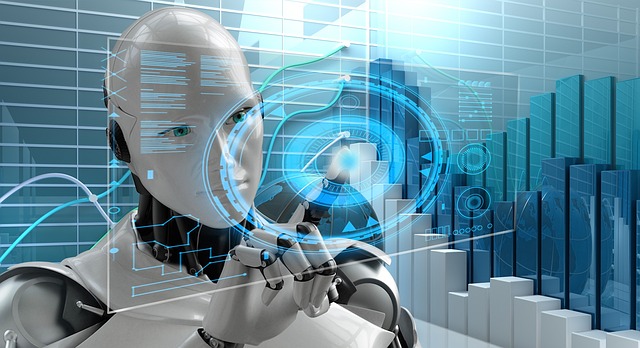
Artificial Intelligence (AI) is no longer a futuristic concept confined to the realms of science fiction. As we stand on the brink of the next technological revolution, AI is increasingly becoming an integral part of various industries and daily life. From healthcare to finance, and from education to entertainment, the transformative potential of AI is reshaping traditional paradigms and creating new opportunities for innovation. This article explores the multifaceted impact of AI technology on different sectors and its implications for everyday experiences.
## Revolutionizing Industries
In recent years, AI has emerged as a powerful tool that is revolutionizing numerous industries. The healthcare sector, for instance, is witnessing a significant shift due to AI-driven innovations. Machine learning algorithms are being utilized to analyze vast amounts of medical data, enabling healthcare professionals to make more accurate diagnoses and personalized treatment plans. Furthermore, AI-powered predictive analytics can forecast patient outcomes, improving the quality of care and optimizing resource allocation within hospitals.
Manufacturing is another industry experiencing a profound transformation through AI technology. Automation, powered by AI, has streamlined production processes, enhancing efficiency and reducing operational costs. Robotics, equipped with AI capabilities, can perform repetitive tasks with precision, allowing human workers to focus on more complex and creative problem-solving roles. This shift not only increases productivity but also fosters a safer working environment by minimizing the risk of human error.
The financial sector is also embracing AI to enhance decision-making processes. Algorithms can now analyze market trends and consumer behaviors in real-time, providing valuable insights for investment strategies and risk management. Moreover, AI-driven chatbots are improving customer service by offering instant support and personalized financial advice. As a result, financial institutions are able to deliver a more efficient and tailored experience to their clients, ultimately leading to greater customer satisfaction.
## Enhancing Everyday Experiences
Beyond industry applications, AI technology is significantly reshaping the way we interact with the world around us. Smart home devices, powered by AI, are becoming increasingly prevalent, allowing individuals to automate various aspects of their daily lives. From controlling lighting and temperature to managing security systems, these devices provide convenience and energy efficiency. As AI continues to evolve, we can expect even more sophisticated home automation that learns user preferences and adapts accordingly.
Transportation is another area where AI is making a substantial impact. The advent of autonomous vehicles has the potential to revolutionize how we commute and transport goods. Self-driving cars, equipped with advanced AI algorithms, can analyze real-time traffic data, optimize routes, and enhance safety on the roads. As this technology matures, it promises to reduce traffic congestion, lower accident rates, and provide greater accessibility for individuals unable to drive.
Social interactions are also being transformed by AI technology. Virtual assistants, such as Siri and Google Assistant, are becoming more adept at understanding natural language and context, allowing for seamless communication between humans and machines. These AI-driven tools can manage schedules, answer queries, and even engage in casual conversations, enhancing our efficiency and productivity. As AI continues to improve its understanding of human emotions and social cues, we can anticipate an even more personalized and engaging user experience.
## Ethical Considerations and Challenges
Despite the numerous benefits AI technology brings, it is crucial to address the ethical considerations and challenges associated with its rapid advancement. One of the primary concerns is the potential for job displacement as automation takes over tasks traditionally performed by humans. While AI can enhance efficiency, it also raises questions about the future of work and the need for reskilling the workforce. Policymakers and industry leaders must collaborate to create strategies that support workers in transitioning to new roles and industries.
Privacy and data security are also pressing issues in the age of AI. The reliance on vast amounts of personal data to train AI systems raises concerns about how this data is collected, stored, and used. Striking a balance between leveraging data for innovation and protecting individual privacy is paramount. Regulations and ethical guidelines must be established to ensure that AI technologies are developed and deployed responsibly, safeguarding the rights of individuals while fostering innovation.
Moreover, the potential for bias in AI algorithms poses significant ethical dilemmas. If not carefully managed, AI systems can perpetuate existing biases present in training data, leading to unfair outcomes in areas such as hiring, lending, and law enforcement. It is imperative for developers to prioritize fairness and inclusivity in AI design, implementing diverse datasets and rigorous testing to mitigate bias and ensure equitable outcomes.
## Conclusion
As we look to the future, the transformative potential of AI technology is undeniable. Industries are being revolutionized, and everyday experiences are being enhanced in ways previously thought impossible. However, the rapid advancement of AI also brings forth ethical considerations and challenges that must be addressed to ensure a responsible and inclusive future. By fostering collaboration among stakeholders, promoting transparency, and prioritizing ethical standards, we can harness the power of AI to create a world where technology enriches lives and drives progress across all sectors. The journey ahead is filled with possibilities, and it is up to us to navigate this new landscape with foresight and responsibility.