




# The Future of AI Technology: Trends Reshaping Our World and Redefining Human-Machine Interaction
Artificial Intelligence (AI) has transitioned from a theoretical concept to a tangible force reshaping our daily lives, industries, and societies. As we step into the future, several key trends emerge that promise to redefine human-machine interaction and influence the trajectory of technological advancement. This article delves into these trends, exploring their implications and potential to transform our world.
## The Rise of Autonomous Systems
One of the most significant trends in AI technology is the development of autonomous systems. These systems, capable of functioning independently, are increasingly being integrated into various sectors, from transportation to healthcare. Self-driving cars exemplify this trend, where AI algorithms analyze real-time data from sensors and cameras to navigate safely. Such advancements are not merely about convenience; they promise to enhance safety and efficiency, potentially reducing traffic accidents and congestion.
In the healthcare sector, autonomous systems are revolutionizing patient care. Robotic surgical assistants, powered by AI, can perform complex procedures with precision, minimizing recovery times and enhancing outcomes. Moreover, AI-driven diagnostic tools are capable of analyzing medical images faster and more accurately than human professionals, leading to earlier disease detection and improved treatment options. As these autonomous systems continue to evolve, their integration into everyday life is likely to become more seamless, fundamentally altering how we interact with technology.
The implications of autonomous systems extend beyond their immediate applications. Ethical considerations surrounding their deployment are gaining attention, particularly regarding accountability and decision-making. As machines take on more responsibilities, questions arise about who is liable when errors occur. Addressing these concerns will be crucial in fostering public trust and ensuring that the benefits of AI are realized without compromising safety or ethics.
## Enhanced Human-Machine Collaboration
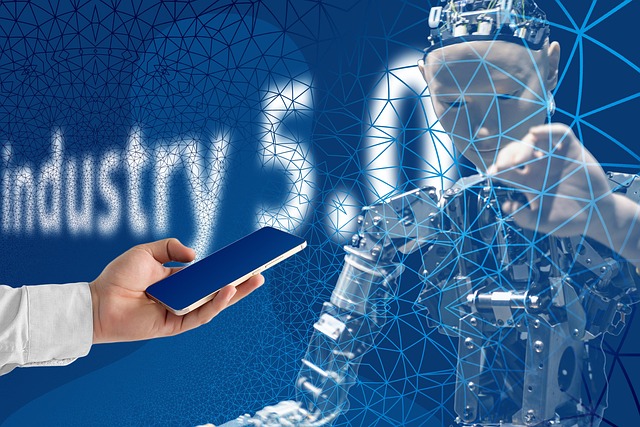
A notable trend in the realm of AI is the shift towards enhanced human-machine collaboration. Rather than replacing human workers, AI is increasingly designed to augment their capabilities. This collaborative approach is particularly evident in industries such as manufacturing, where AI-powered robots work alongside human operators to optimize production processes. By taking on repetitive and physically demanding tasks, these machines allow human workers to focus on more complex and creative aspects of their jobs.
Furthermore, AI is being harnessed to support decision-making in various fields. In finance, for instance, AI algorithms analyze vast datasets to identify trends and provide insights that inform investment strategies. This partnership between human intuition and machine intelligence can lead to more informed decisions and better outcomes. As AI continues to learn from human input, the potential for improved collaboration grows, paving the way for innovative solutions to complex problems.
In education, AI tools are transforming the learning experience. Adaptive learning platforms leverage AI to personalize educational content based on individual student needs and progress. This tailored approach not only enhances engagement but also empowers educators to focus on fostering critical thinking and creativity. The future of education, therefore, lies in a harmonious blend of human expertise and AI-driven insights, creating a more effective and inclusive learning environment.
## The Ethical Dimensions of AI Development
As AI technology advances, ethical considerations are becoming increasingly prominent. The rapid pace of innovation raises questions about privacy, bias, and the potential for misuse. For instance, facial recognition technology, while beneficial in certain contexts, has faced scrutiny due to concerns about surveillance and racial profiling. Addressing these ethical dilemmas is essential for ensuring that AI serves as a force for good in society.
Moreover, the challenge of bias within AI systems cannot be overlooked. Algorithms trained on historical data may inadvertently perpetuate existing inequalities, leading to biased outcomes in areas such as hiring, lending, and law enforcement. To mitigate these risks, developers must prioritize transparency and fairness in AI design. This includes implementing rigorous testing protocols and involving diverse perspectives in the development process to ensure that AI systems reflect the values of the communities they serve.
The conversation around AI ethics is evolving, with stakeholders from academia, industry, and government coming together to establish guidelines and frameworks for responsible AI development. Initiatives such as the Partnership on AI and the IEEE Global Initiative on Ethics of Autonomous and Intelligent Systems are examples of collaborative efforts aimed at fostering ethical practices in AI. As these discussions gain momentum, they will play a crucial role in shaping the future of AI technology and its impact on society.
## Conclusion: Embracing the Future of AI
Looking ahead, the future of AI technology is poised to bring about transformative changes across various domains. The rise of autonomous systems, enhanced human-machine collaboration, and the prioritization of ethical considerations are just a few of the trends that will shape this landscape. As we embrace these advancements, it is essential to remain vigilant about the implications of AI on society and to foster a collaborative environment that prioritizes human values.
By understanding and addressing the challenges that accompany AI development, we can harness its potential to create a more equitable, efficient, and innovative world. The journey towards a future where AI and humans coexist harmoniously is just beginning, and it is up to us to navigate this path thoughtfully and responsibly. As we stand on the brink of this new era, the possibilities are limitless, and the opportunity to redefine our relationship with technology has never been more profound.