


# AI Artistry: Exploring How Artificial Intelligence is Redefining Visual Expression and Imagination
Artificial Intelligence (AI) has become a transformative force across numerous sectors, and the realm of visual art is no exception. Historically, art has been a profoundly human endeavor, reflecting our emotions, thoughts, and experiences. However, as AI technology evolves, it increasingly challenges traditional notions of creativity and authorship. This article delves into how AI is redefining visual expression and imagination, exploring its implications for artists, audiences, and the future of creativity.
## The Emergence of AI in Art Creation
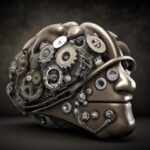
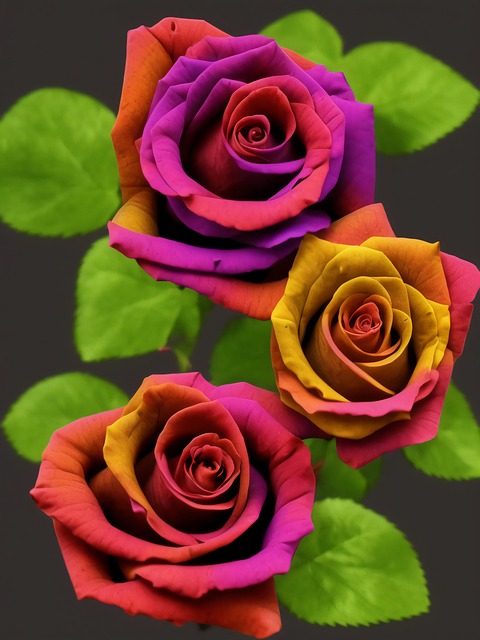
Over the past few years, the emergence of AI-driven tools has revolutionized the way artists approach their craft. Technologies such as deep learning and neural networks have enabled machines to analyze vast datasets of artwork, learning patterns, styles, and techniques. By employing algorithms, AI can generate original pieces that mimic various artistic styles or even create entirely new ones. This capability has led to a surge in AI-generated art, captivating both creators and viewers alike.
One notable example is the use of Generative Adversarial Networks (GANs), which consist of two neural networks that work in tandem. One network generates images while the other evaluates their authenticity, pushing the generator to create increasingly sophisticated artwork. As a result, AI can produce pieces that are indistinguishable from those created by human hands. This process not only democratizes art creation but also raises questions about the nature of creativity itself.
In addition to GANs, other AI tools like DALL-E and Midjourney have gained popularity for their ability to generate images from textual descriptions. These platforms allow users to input phrases or concepts, which the AI then translates into visual representations. Such innovations empower individuals who may lack traditional artistic skills to express their ideas visually, expanding the definition of who can be considered an artist.
## The Role of AI as a Collaborative Partner
While AI is often perceived as a competitor to human creativity, it is increasingly seen as a collaborative partner in the artistic process. Many contemporary artists are embracing AI not as a replacement but as a tool that enhances their creative capabilities. By integrating AI into their workflows, artists can explore new avenues of expression and push the boundaries of their imagination.
Collaboration with AI can take various forms. Some artists use AI-generated elements as a foundation for their work, layering their own techniques and styles on top of the machine-generated output. This fusion of human intuition and machine precision can lead to innovative results that neither party could achieve alone. Such partnerships foster a dialogue between human creativity and artificial intelligence, resulting in a rich tapestry of artistic expression.
Moreover, the collaborative potential of AI can also be seen in the realm of interactive art installations. Artists are increasingly incorporating AI algorithms into their projects, allowing viewers to engage with the artwork in real-time. For instance, installations may respond to audience movements or emotions, creating a dynamic experience that evolves with each interaction. This level of interactivity redefines the traditional viewer-artist relationship, inviting audiences to become active participants in the creative process.
## Ethical Considerations and Future Implications
As AI continues to permeate the art world, ethical considerations surrounding authorship, originality, and the role of technology in creativity come to the forefront. The question of who owns AI-generated art is a contentious issue. If a piece is created by an AI system trained on existing artworks, to what extent can the original artists claim ownership? This dilemma challenges the very foundation of artistic rights and raises concerns about the potential for plagiarism and copyright infringement.
Furthermore, the rise of AI-generated art has sparked debates about the value of human creativity. Critics argue that relying on machines to produce art diminishes the emotional depth and personal touch that characterize human-made works. Conversely, proponents of AI artistry contend that technology can enhance human creativity rather than undermine it. They argue that AI serves as a new medium through which artists can express their ideas, much like the transition from traditional painting to digital art.
Looking ahead, the future of AI in the art world remains uncertain yet promising. As technology continues to advance, it is likely that AI will play an even more significant role in shaping visual expression. Artists may increasingly experiment with hybrid forms of creativity, blending traditional techniques with AI-generated elements. This evolution could lead to entirely new genres and movements within the art world, challenging our perceptions of what art can be.
## Conclusion: A New Era of Creativity
In conclusion, AI is undeniably redefining visual expression and imagination, offering artists new tools and avenues for creativity. The emergence of AI-driven art creation, the potential for collaboration between humans and machines, and the accompanying ethical considerations all contribute to a complex and evolving landscape. As we navigate this new era of creativity, it is essential to embrace the possibilities that AI offers while remaining mindful of the implications for authorship, originality, and the very essence of artistic expression.
The intersection of AI and art invites us to reconsider our definitions of creativity and the role of technology in shaping our cultural landscape. As artists continue to explore the potential of AI, we may witness a renaissance in visual expression that reflects the complexities of our modern world—one where human intuition and machine intelligence coexist and inspire one another. Ultimately, AI artistry is not just a technological advancement; it is a profound exploration of what it means to create and connect in an increasingly digital age.