



# AI Art Revolution: How Machine Learning is Shaping the Future of Visual Expression and Aesthetics
The advent of artificial intelligence (AI) has sparked a transformative revolution across various domains, and the realm of visual arts is no exception. This intersection of technology and creativity has given rise to a new frontier where machine learning algorithms are not merely tools but collaborators in the artistic process. As we delve into this phenomenon, it becomes essential to understand how AI is redefining the very fabric of visual expression and aesthetics.
## The Rise of Machine Learning in Art Creation
Machine learning, a subset of AI, has evolved significantly over the past decade, enabling computers to learn from data and improve their performance over time. In the context of art, these algorithms analyze vast datasets of images, styles, and techniques, allowing them to generate original works that often defy traditional artistic boundaries. Artists and technologists alike have begun to harness this power, creating pieces that blend human creativity with algorithmic precision.
One of the most notable applications of machine learning in art is the Generative Adversarial Network (GAN). This innovative framework pits two neural networks against each other: one generates images while the other evaluates them. The result is a continuous feedback loop that leads to increasingly sophisticated creations. Artists like Refik Anadol and Mario Klingemann have utilized GANs to produce stunning visual works that challenge our understanding of authorship and originality.
Furthermore, platforms such as DALL-E, developed by OpenAI, exemplify how AI can interpret and translate textual descriptions into visual art. This capability opens up exciting avenues for creative expression, allowing individuals with little to no artistic training to generate compelling images. The democratization of art creation through AI not only broadens participation but also raises questions about the nature of creativity itself.
## Redefining Aesthetics and Artistic Authenticity
The integration of AI into the art world has led to a reevaluation of aesthetics and the very definition of what constitutes art. Traditional notions of beauty, craftsmanship, and emotional depth are being challenged by algorithmically generated works that may not possess the same human touch but can evoke profound responses. This shift prompts a critical examination of authenticity in art.
Historically, the value of art has often been tied to the artist’s intent and emotional investment in their work. However, as AI-generated pieces gain recognition in galleries and auctions, the conversation around authenticity is evolving. Can a piece created by an algorithm possess the same value as one crafted by a human hand? This question is at the heart of ongoing debates among artists, critics, and collectors.
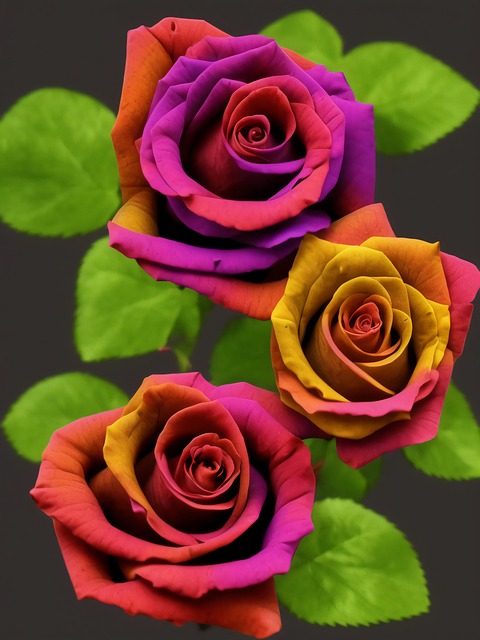
Moreover, the aesthetic qualities of AI-generated art are distinct, often characterized by surrealism, abstraction, and unexpected combinations of elements. These works can provoke new emotional responses, inviting viewers to reconsider their relationship with art. The ability of AI to synthesize styles from different eras and cultures further enriches this dialogue, creating a hybridization of artistic traditions that transcends geographical and temporal boundaries.
## The Future of Collaboration Between Humans and Machines
Looking ahead, the future of art is poised to be a collaborative landscape where humans and machines coexist as co-creators. This partnership has the potential to enhance the creative process, providing artists with new tools to explore their visions. Rather than viewing AI as a replacement for human creativity, many artists are embracing it as a means to augment their capabilities.
One significant advantage of AI in the creative process is its ability to analyze and process vast amounts of information quickly. Artists can leverage AI to generate variations of their work, explore new styles, or even receive feedback on their creations. This iterative process can lead to unexpected breakthroughs and inspire new directions in an artist’s practice.
Additionally, educational institutions are beginning to integrate AI into their art curricula, equipping the next generation of artists with the skills to navigate this evolving landscape. Workshops and courses focusing on AI tools and techniques are emerging, fostering an environment where creativity and technology intersect. By nurturing this synergy, the art community can cultivate innovative thinkers who are adept at harnessing the power of machine learning.
## Conclusion: Embracing the AI Art Revolution
The AI art revolution is not merely a trend; it represents a fundamental shift in how we conceive of creativity and aesthetics. As machine learning continues to advance, the possibilities for artistic expression will expand, offering new opportunities for exploration and innovation. While challenges regarding authenticity and the definition of art remain, the dialogue surrounding these issues is essential for the evolution of the art world.
Artists, technologists, and audiences must remain open to the potential of AI as a creative partner. By embracing this collaboration, we can unlock new dimensions of visual expression that resonate with contemporary themes and experiences. Ultimately, the AI art revolution invites us to reconsider our relationship with art, creativity, and the machines that are increasingly becoming a part of our collective artistic journey. In doing so, we not only celebrate the ingenuity of human creativity but also recognize the profound impact that technology can have on the future of visual aesthetics.