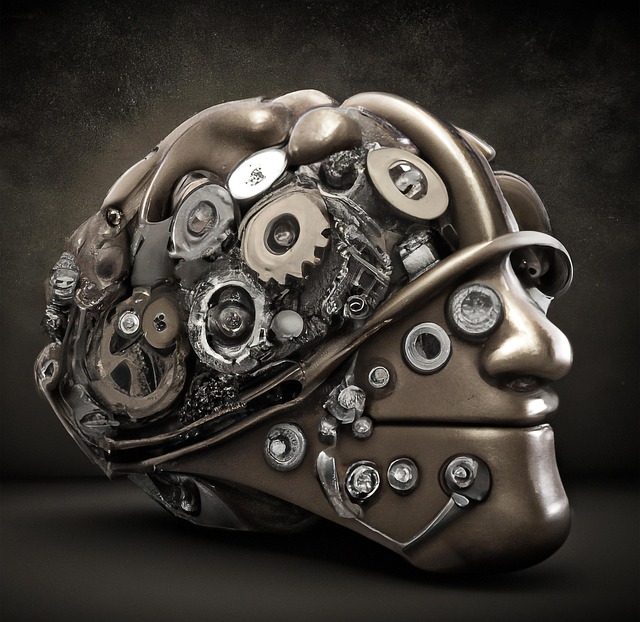






# Unlocking the Power of AI: How Advanced Technology is Shaping Our Lives and Businesses Today
Artificial Intelligence (AI) has rapidly transitioned from a theoretical concept to an integral part of our daily lives and business operations. As we navigate through the complexities of the modern world, AI is emerging as a transformative force, reshaping how we interact, work, and make decisions. This article delves into the multifaceted impact of AI, exploring its applications in various sectors, the ethical considerations surrounding its use, and the future potential it holds.
## The Ubiquity of AI in Everyday Life
AI technologies are now embedded in many aspects of our daily routines. From virtual assistants like Siri and Alexa to recommendation algorithms on streaming platforms such as Netflix and Spotify, AI is seamlessly integrated into our lives. These systems analyze vast amounts of data to provide personalized experiences, making tasks more convenient and efficient. The ability to understand natural language and context allows these tools to assist users in ways that were once the realm of science fiction.
Moreover, the rise of smart home devices exemplifies how AI is enhancing our living environments. Thermostats that learn your preferences, security cameras that can differentiate between familiar faces and strangers, and appliances that can be controlled remotely are just a few examples. These innovations not only improve comfort and security but also contribute to energy efficiency, showcasing AI’s potential to address environmental challenges.
In the realm of healthcare, AI is revolutionizing patient care and medical research. Machine learning algorithms analyze medical images for early detection of diseases, while predictive analytics helps in anticipating patient needs. This integration of AI not only streamlines processes but also enhances the accuracy of diagnoses, ultimately leading to better health outcomes. As healthcare continues to evolve, AI stands at the forefront, enabling practitioners to make more informed decisions and tailor treatments to individual patients.
## Transforming Business Operations
The business landscape is undergoing a seismic shift, largely driven by advancements in AI technology. Companies are leveraging AI to optimize operations, enhance customer experiences, and drive innovation. For instance, chatbots powered by AI are becoming a staple in customer service, providing instant responses to inquiries and freeing human agents to tackle more complex issues. This not only improves efficiency but also enhances customer satisfaction through prompt service.
Furthermore, AI is playing a critical role in data analysis and decision-making. Organizations can now harness predictive analytics to forecast market trends, assess risks, and identify new opportunities. By analyzing historical data, AI systems can uncover patterns and insights that humans might overlook, enabling businesses to make data-driven decisions with greater confidence. This shift towards evidence-based strategies is particularly vital in a competitive marketplace, where agility and informed choices can determine success.
Another significant application of AI in business is in supply chain management. AI algorithms can predict demand fluctuations, optimize inventory levels, and enhance logistics efficiency. By streamlining these processes, companies can reduce operational costs and improve service delivery. As a result, businesses are not only able to respond more effectively to market changes but also create a more resilient supply chain capable of withstanding disruptions.
## Ethical Considerations and Future Implications
Despite the numerous benefits AI brings, it is crucial to address the ethical considerations that accompany its widespread adoption. Concerns around data privacy, algorithmic bias, and job displacement are at the forefront of discussions about AI’s future. The collection and utilization of personal data raise significant questions about consent and security. As AI systems become more sophisticated, ensuring that they operate transparently and fairly is paramount.
Algorithmic bias poses another challenge, as AI systems may inadvertently perpetuate existing prejudices present in the data they are trained on. This can lead to discriminatory outcomes in hiring practices, loan approvals, and law enforcement, among other areas. To mitigate these risks, it is essential for organizations to implement rigorous testing and auditing processes to ensure fairness and accountability in AI applications.
Looking ahead, the potential of AI continues to expand. As technology evolves, we can expect to see advancements in areas such as autonomous vehicles, personalized medicine, and smart cities. The integration of AI with other emerging technologies, such as the Internet of Things (IoT) and blockchain, will further amplify its impact. For instance, smart cities powered by AI can optimize traffic flow, reduce energy consumption, and enhance public safety, creating more sustainable urban environments.
In addition, the role of AI in education is poised for growth. Adaptive learning platforms that utilize AI can personalize educational content to meet the unique needs of each student, fostering a more inclusive and effective learning experience. As we embrace these advancements, it is vital to ensure that educational systems are equipped to prepare individuals for a future where AI plays a central role in various professions.
## Conclusion
The journey of unlocking the power of AI has only just begun. As it continues to permeate our lives and reshape businesses, the potential for innovation and improvement is immense. However, it is essential to navigate the accompanying ethical challenges with care and foresight. By fostering a responsible approach to AI development and implementation, we can harness its capabilities to create a future that benefits all of society. Embracing this technology with an informed perspective will enable us to unlock its full potential, paving the way for a smarter, more efficient, and equitable world.