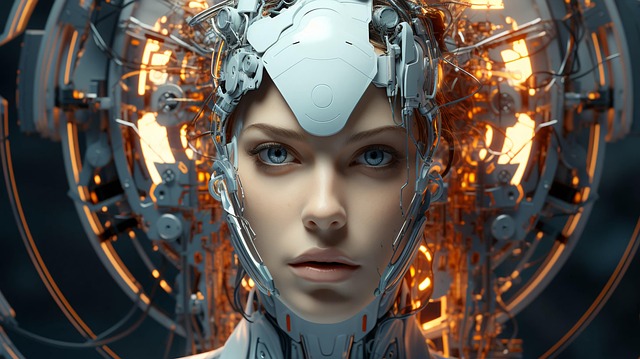






# Unlocking the Future: How AI Technology is Shaping Innovations and Everyday Experiences
Artificial Intelligence (AI) is no longer a concept confined to science fiction; it has become an integral part of our daily lives and is revolutionizing various industries. From healthcare to entertainment, AI technology is reshaping the landscape of innovation and enhancing our everyday experiences. This article explores how AI is driving advancements across multiple sectors and transforming the way we interact with technology.
## The Impact of AI on Healthcare
One of the most profound influences of AI technology can be observed in the healthcare sector. By harnessing vast amounts of data, AI algorithms are capable of identifying patterns that elude human practitioners. For example, machine learning models analyze medical imaging to detect early signs of diseases such as cancer, significantly improving diagnostic accuracy. This capability not only enhances patient outcomes but also streamlines the workflow for healthcare professionals.
Moreover, AI-driven applications are revolutionizing personalized medicine. With the ability to analyze genetic information and patient histories, AI can recommend tailored treatment plans that align with individual needs. This shift toward personalized healthcare holds the potential to reduce trial-and-error approaches, thus expediting the healing process. As a result, patients can experience more effective treatments with fewer side effects.
In addition to diagnostics and personalized treatment, AI is also playing a vital role in drug discovery. Traditional methods of developing new medications can take years and involve substantial financial investment. However, AI accelerates this process by simulating interactions between drugs and biological systems, identifying promising candidates more quickly. Consequently, the pharmaceutical industry is witnessing a paradigm shift, where AI not only enhances efficiency but also reduces costs associated with research and development.
## AI in Business and Industry
Transitioning from healthcare, the influence of AI extends into the business realm, where it is reshaping industries and redefining competitive strategies. Organizations are increasingly leveraging AI to optimize operations, enhance customer experiences, and drive innovation. For instance, chatbots powered by natural language processing are transforming customer service by providing instant support and resolving queries without human intervention. This not only improves response times but also allows human agents to focus on more complex issues.
In the realm of data analytics, AI tools are empowering businesses to make informed decisions. By analyzing consumer behavior and market trends, companies can predict future demands and tailor their offerings accordingly. This data-driven approach enables organizations to stay ahead of the competition and respond swiftly to changing market dynamics. Furthermore, AI can automate repetitive tasks, freeing up valuable human resources for more strategic initiatives.
Supply chain management has also seen significant advancements due to AI integration. Predictive analytics helps businesses forecast inventory needs, optimize logistics, and reduce operational costs. By analyzing historical data and real-time inputs, AI can identify potential disruptions in the supply chain, allowing companies to proactively address challenges before they escalate. As a result, organizations can achieve greater efficiency and resilience in their operations.
## Everyday Experiences Enhanced by AI
Beyond the realms of healthcare and business, AI technology is subtly yet profoundly enhancing our everyday experiences. Smart home devices, powered by AI, are becoming commonplace, allowing individuals to control their environments with unprecedented ease. From adjusting lighting and temperature to managing security systems, these devices learn user preferences and automate tasks, creating a seamless living experience.
Entertainment is another domain where AI is making significant strides. Streaming platforms utilize AI algorithms to analyze viewing habits and recommend personalized content, ensuring that users discover shows and movies that align with their interests. This level of personalization not only enhances user satisfaction but also keeps audiences engaged for longer periods. Additionally, AI-driven content creation tools are emerging, enabling creators to generate music, art, and even scripts, thus democratizing the creative process.
Transportation is undergoing a transformation as well, with AI paving the way for autonomous vehicles. Self-driving technology, powered by advanced machine learning algorithms, promises to reduce accidents, alleviate traffic congestion, and provide greater mobility for individuals who may be unable to drive. While fully autonomous vehicles are still in development, AI is already enhancing navigation systems and traffic management, making travel safer and more efficient.
## Conclusion: Embracing the AI Revolution
The integration of AI technology into various aspects of our lives is not merely a trend; it represents a fundamental shift in how we approach innovation and daily experiences. As AI continues to evolve, its potential to drive advancements in healthcare, business, and everyday life is boundless. However, this transformation also raises important ethical considerations regarding data privacy, job displacement, and the need for responsible AI governance.
Acknowledging these challenges is essential as we move forward into an AI-driven future. Collaborative efforts between technologists, policymakers, and society at large will be crucial in ensuring that AI serves as a force for good. By embracing the opportunities presented by AI while addressing its challenges, we can unlock a future where technology enhances human potential and enriches our lives in meaningful ways.
In summary, AI technology is not just shaping innovations; it is redefining the very fabric of our everyday experiences. As we stand on the brink of this AI revolution, the possibilities are endless, and the future looks promising.